> Blog
How London’s Changing Dental Landscape Is Redefining Clinical Practice
Over the past decade, we have witnessed a profound shift in what patients expect from their dental care. London, often a leading indicator of national dental trends, is at the forefront of this transf...
Over the past decade, we have witnessed a profound shift in what patients expect from their dental care. London, often a leading indicator of national dental trends, is at the forefront of this transformation.
Today’s patients are more informed, more selective, and more outcomes-driven than ever before. They research clinicians online, compare treatment options, review before-and-after cases, and actively seek practitioners who can deliver comprehensive solutions under one roof.
For dentists practising in London, this shift presents both an opportunity and a challenge.
A Highly Competitive Landscape
London’s private and specialist clinic density far exceeds that of most other UK regions. Patients can compare multiple providers within a small geographic radius. This level of competition means that differentiation is no longer optional. It is essential.
A Private-Led Market
Urban, high-income regions such as London and the South East represent the highest-value private dental markets in the country. In contrast, many other areas of the UK remain predominantly NHS-led, maintenance-focused, and cost-driven.
London patients increasingly seek premium healthcare experiences, and this extends to dentistry. There is strong and sustained demand for advanced treatments such as:
Dental implants
Complex restorative cases
Aesthetic-led dentistry
Full mouth rehabilitation
Veneers
These treatments are no longer considered niche. In many London practices, they are becoming routine expectations.
Reduced NHS Access in the Capital
For many, it's becoming more and more difficult to secure an NHS dental appointment. Patients who would traditionally have sought essential NHS care are increasingly turning to private providers out of necessity rather than preference. This accelerates the shift toward private-led dentistry in the capital.
The implications are clear:
Many associates plan to increase their private workload.
A significant proportion of dentists are considering leaving NHS practice entirely in favour of private roles.
Why “General Dentistry Only” Is Becoming Limiting
In this environment, offering general dentistry alone can feel restrictive. Patients increasingly expect clinicians to manage complex restorative and aesthetic journeys in-house. Dentists who are unable to provide advanced treatments may find themselves referring frequently, and potentially losing long-term patient relationships in the process.
Referrals are, and always will be, an essential part of safe dentistry. Complex surgical cases, advanced periodontal treatment, and highly specialised procedures require specialist expertise.
However, there is a growing distinction between:
Referrals that are clinically necessary
Referrals that stem from a lack of confidence or training
Over-reliance on avoidable referrals can impact:
Patient experience – Patients may feel disrupted or uncertain when transferred between providers.
Practice growth – Revenue and long-term loyalty often follow the clinician who delivers the definitive treatment.
Clinical confidence – Avoidance can reinforce limitations rather than encourage progression.
The question is not whether to refer, but whether every referral is truly required.
Continuity of Care as a Patient Priority
Despite the growth in aesthetics and advanced procedures, one principle that remains constant across the UK is that patients value continuity.
Research shows:
25% of patients have seen the same dentist for over 10 years.
7% have remained with the same dentist for life.
Trust and familiarity remain powerful drivers of loyalty.
In London, where patients are sophisticated healthcare consumers, this trust becomes even more significant during complex or high-value treatment journeys. Many patients express a clear preference to remain with one clinician from diagnosis through to completion.
Practices that retain care internally often strengthen patient relationships and long-term growth. Those that outsource large portions of advanced treatment may risk fragmenting that experience.
The Role of Advanced Training
For associates looking to increase their private workload, up-skilling is no longer optional, it is imperative.
Structured postgraduate education supports:
Safer, evidence-based decision-making
More predictable clinical outcomes
Expanded treatment portfolios
Greater professional confidence
Advanced training should not be viewed as simply accumulating CPD hours. It is a strategic investment, in patient care, professional fulfilment, and long-term career sustainability.
Advanced Dental Certificates in London
At Tipton Training, we design our programmes around the realities of contemporary clinical practice.
Here is what’s on offer this spring:
Certificate in Restorative Dentistry (April 2026)
Certificate in Operative Dentistry (May 2026)
Certificate in Aesthetic Dentistry (April 2026)
Certificate in Advanced Dental Implantology (April 2026)
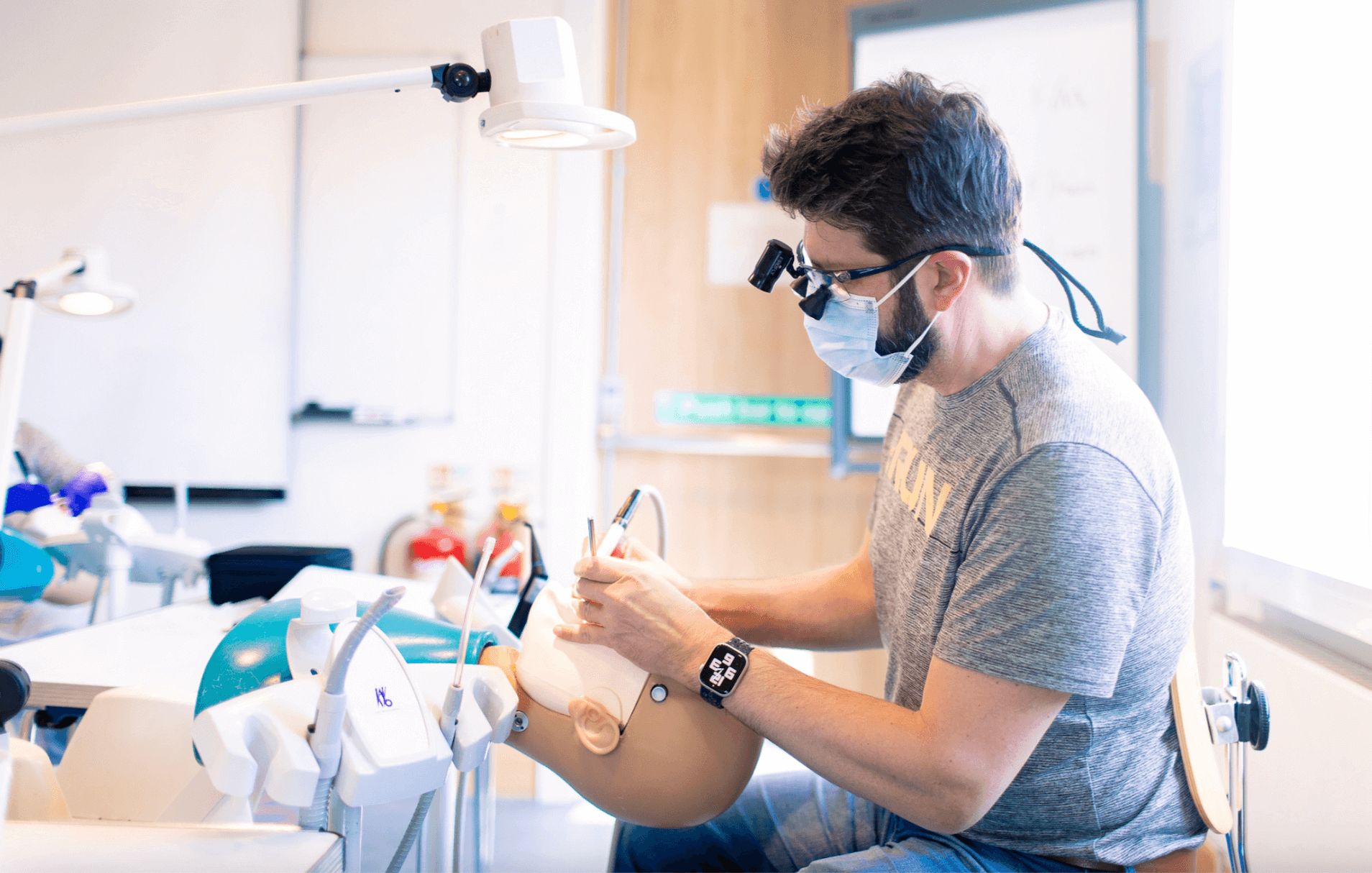
Each programme is built around intensive hands-on learning, real clinical application, mentored case discussions and immediate applicability to busy urban practices. Our focus is not theoretical abstraction. It is practical competence, delivered in a structured and supportive environment.
Find out more about our certificates here.
Responding to a Changing Market
London patients are seeking comprehensive care, advanced treatment options, and clinicians they can trust throughout complex journeys.
Prepared clinicians can answer that demand. Education is the bridge between expectation and delivery, between aspiration and capability.
For dentists ready to evolve with the market, structured postgraduate training offers a clear and responsible pathway forward.
Courses Available Nationwide
If London isn’t convenient, these programmes are also available across the UK. Find the location and dates that work best for your schedule.
Certificate in Restorative Dentistry
Glasgow: March 2026
Belfast: March 2026
Manchester: April 2026
Ireland (Carlow): September 2026
Certificate in Operative Dentistry
Manchester: April 2026
Certificate in Aesthetic Dentistry
Manchester - SOLD OUT: April 2026
Certificate in Dental Implantology
Manchester: April 2026
Scotland (Crieff): April 2026